LOST SONGS OF ANATOLIA
"Very well-made documentary…” — Marisa Tomei
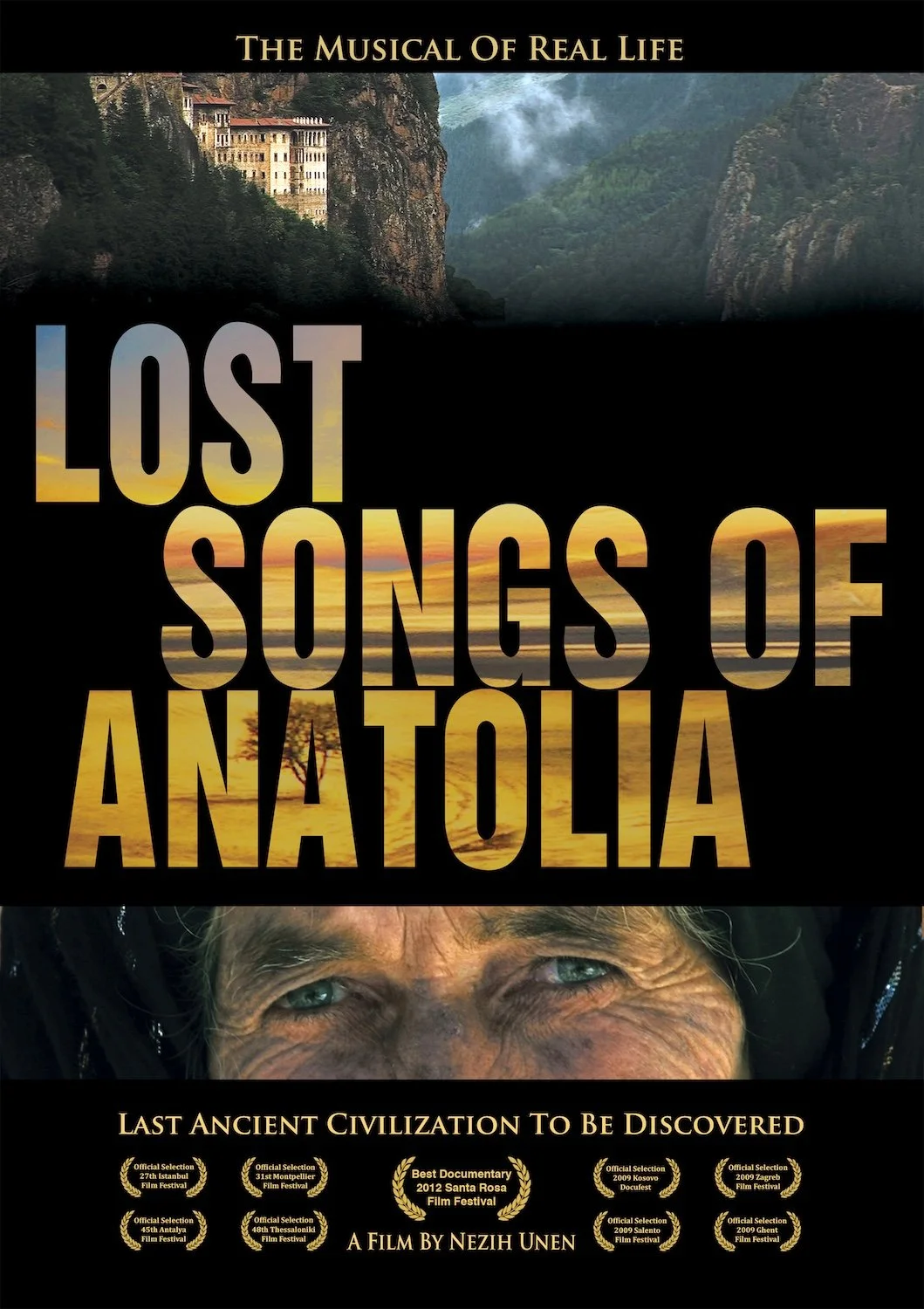
Lost Songs of Anatolia is a visionary project—comprising a musical-documentary film, an album, and live concerts—considered to be the first of its kind in the world. It has been featured in the official selections of numerous international festivals and was awarded Best Musical Documentary at the International Santa Rosa Film Festival in California.
Over the past century, while many of the world's cultures transcended their borders and spread globally through evolving technologies, Anatolia—the cradle of civilization and a unique cultural heritage—remained silent on this universal stage.
Setting out to break this silence, the project recorded the spontaneous music and dance performances of local Anatolian people in their natural environments, without any rehearsals. These pure sounds were then blended with modern studio arrangements and introduced to contemporary popular culture. During the innovative live concert experience, a modern orchestra on stage accompanied the local artists as they performed their songs on the cinematic screen.
The essence of this project is to take action before a priceless treasure fades away; to bring Anatolia's hidden voices to light through today's universal musical language without compromising their authentic spirit, and to once again make it "the land where the sun rises."
Festivals & Awards
Awards
26th Santa Rosa International Film Festival – Best Musical Documentary
Motif Foundation – Media & Folklore Award
Best Documentary Nominations
31st Montpellier Mediterranean Film Festival
48th Thessaloniki Film Festival
8th Docufest
45th Antalya Golden Orange Film Festival
Special Selections
6th Salento Film Festival
7th Zagreb Film Festival
33rd Ghent Film Festival
27th Istanbul Film Festival
Director's Note
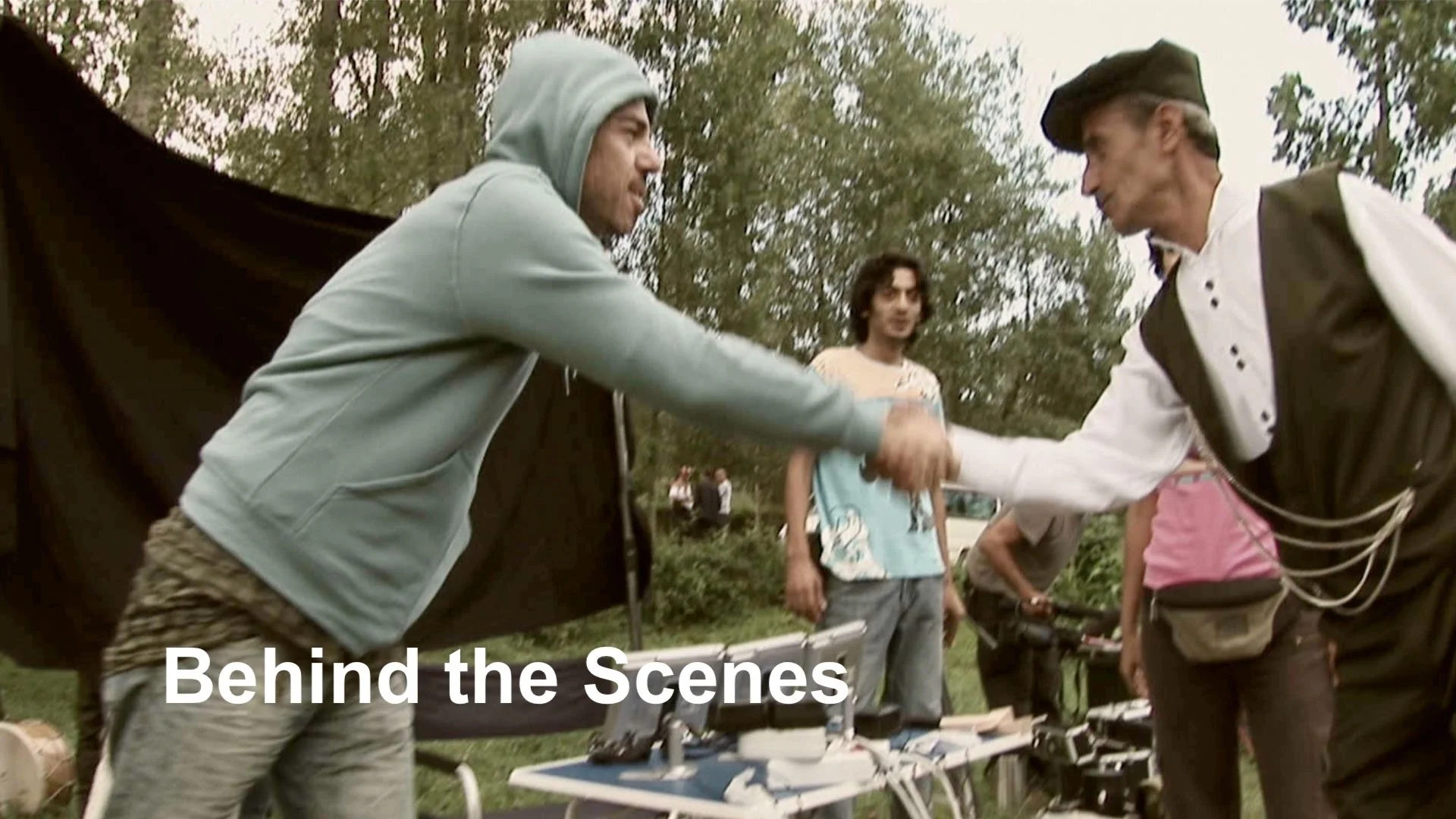
On the first day of shooting, I told my crew, "We don't have a script; Anatolia will write it, and we will film it." And that is exactly what happened.
While building this film in a land of tired and worn cultures left behind by ancient civilizations, my fundamental approach was to allow everything to unfold in its own natural course and to create a space for people to tell their stories through songs, rituals, and dances.
Initially, this endeavor was more of a music project for me than making a documentary. I intended to produce a contemporary music album based on authentic performances by Anatolian people, accompanied by a film. However, the rapid disappearance of the cultural heritage I witnessed during our journey, and the ways of life I encountered, moved me so deeply that the project I aimed to shape began to shape me. Recording that pure reality so it would never be erased from memory became an inescapable responsibility. Ultimately, what emerged was an experimental musical-documentary that pushed the boundaries of the genre.
Looking back at this first journey in cinema, my only regret is not premiering the film at one of the prominent festivals like Cannes, Berlin, Venice, or Toronto. My excitement to share the work with audiences as soon as possible meant that it ran up against the strict 'premiere' rules of major festivals. Perhaps this is why Lost Songs of Anatolia could not be officially nominated for the major festival awards it deserved; yet, seeing the film transcend a festival strategy and find its own natural path with the audience showed me the true power of cinema.
About Anatolia
Forming a unique bridge between Europe and Asia, Anatolia is the ground zero of civilizations with its tens of thousands of years of history, serving as a unique cultural mosaic that constitutes the majority of modern-day Turkey.
The Cradle of Civilizations and Legends
Throughout history, it has been home to countless empires that shaped the world, including the Akkadians, Assyrians, Hittites, Trojans, Phrygians, Lydians, Greeks, Armenians, Romans, Byzantines, Seljuks, and Ottomans.
It is the birthplace of historical legends such as Homer (author of the Iliad and the Odyssey), Herodotus (the father of history), the legendary King Midas, and Paul the Apostle.
The First Traces and Monuments of Humanity
Göbekli Tepe, a Neolithic archaeological site in Southeastern Anatolia, is the world's first temple and contains the oldest known megaliths; it predates Stonehenge in England by 7,000 years and the Egyptian pyramids by 7,500 years. Settlements such as Çatalhöyük, Çayönü, Nevalı Çori, and Hacılar represent the world's oldest known agricultural villages.
Two of the Seven Wonders of the Ancient World were built on these lands: the Temple of Artemis at Ephesus and the Mausoleum at Halicarnassus. Aspendos, one of the best-preserved ancient Roman theaters, is also located here.
Lands of Faith and the Sacred
As one of the early centers where Christianity blossomed, Anatolia is home to all Seven Churches of Asia mentioned in the Book of Revelation: Ephesus, Smyrna, Pergamum, Thyatira, Sardis, Philadelphia, and Laodicea.
Mount Ararat, where the legendary Noah's Ark is said to have come to rest after the Great Flood, is also within Anatolia's borders.
Songs of Lost Time
The ruins of Hasankeyf, one of the oldest continually inhabited settlements in the world with a history spanning nearly 12,000 years, were submerged under the waters of the Ilısu Dam project after the filming of this project was completed. This reality stands as a testament to the profound value of the heritage recorded by the film.
A Polyphonic Mosaic Built upon all these historical layers, Anatolia is the world's most versatile and living cultural mosaic, embracing a diverse population that includes Albanians, Arabs, Armenians, Bosniaks, Circassians, Georgians, Greeks, Jews, Kurds, Laz people, Persians, and Syriacs alongside the Turkish majority.
About the Production
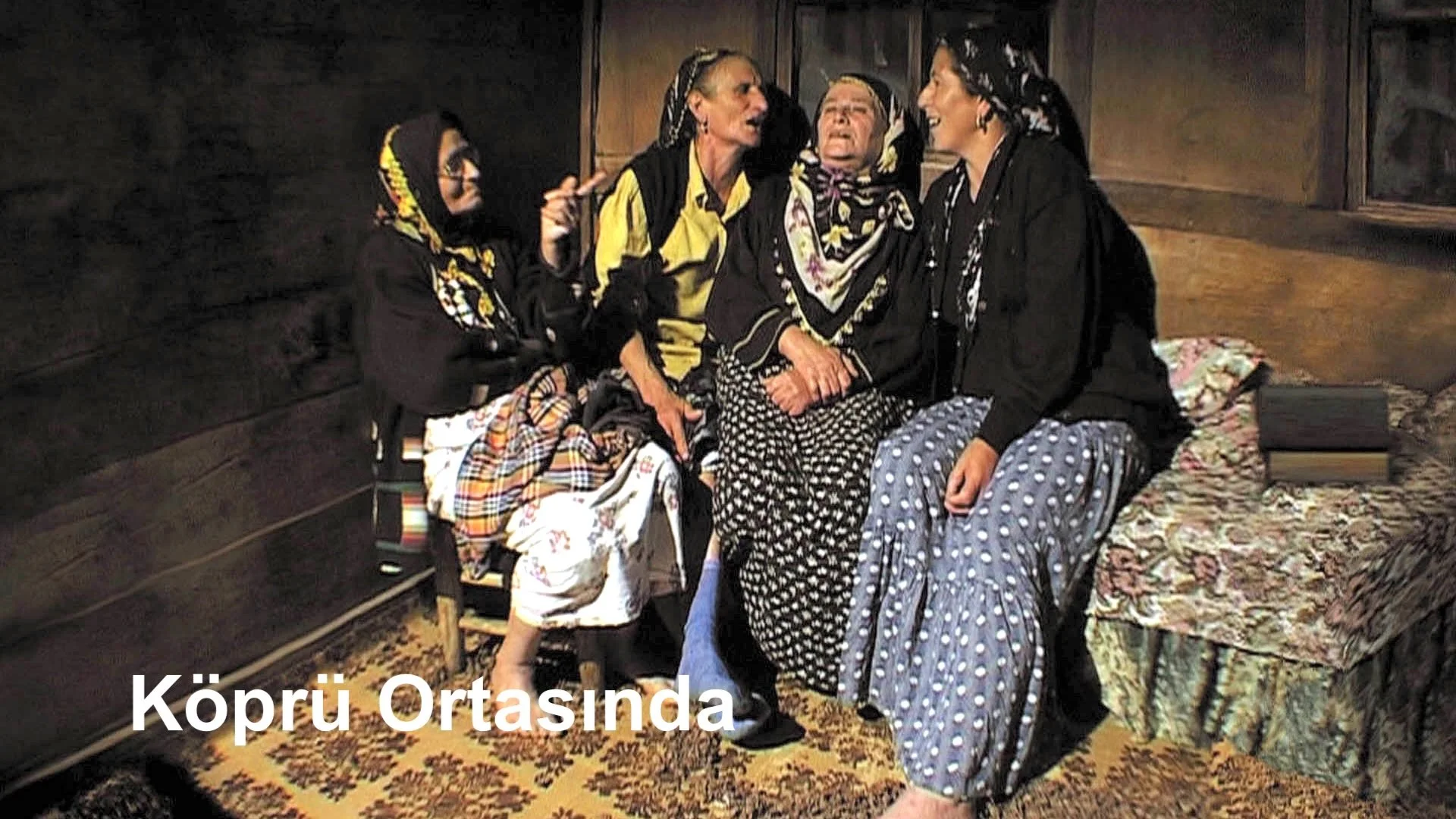
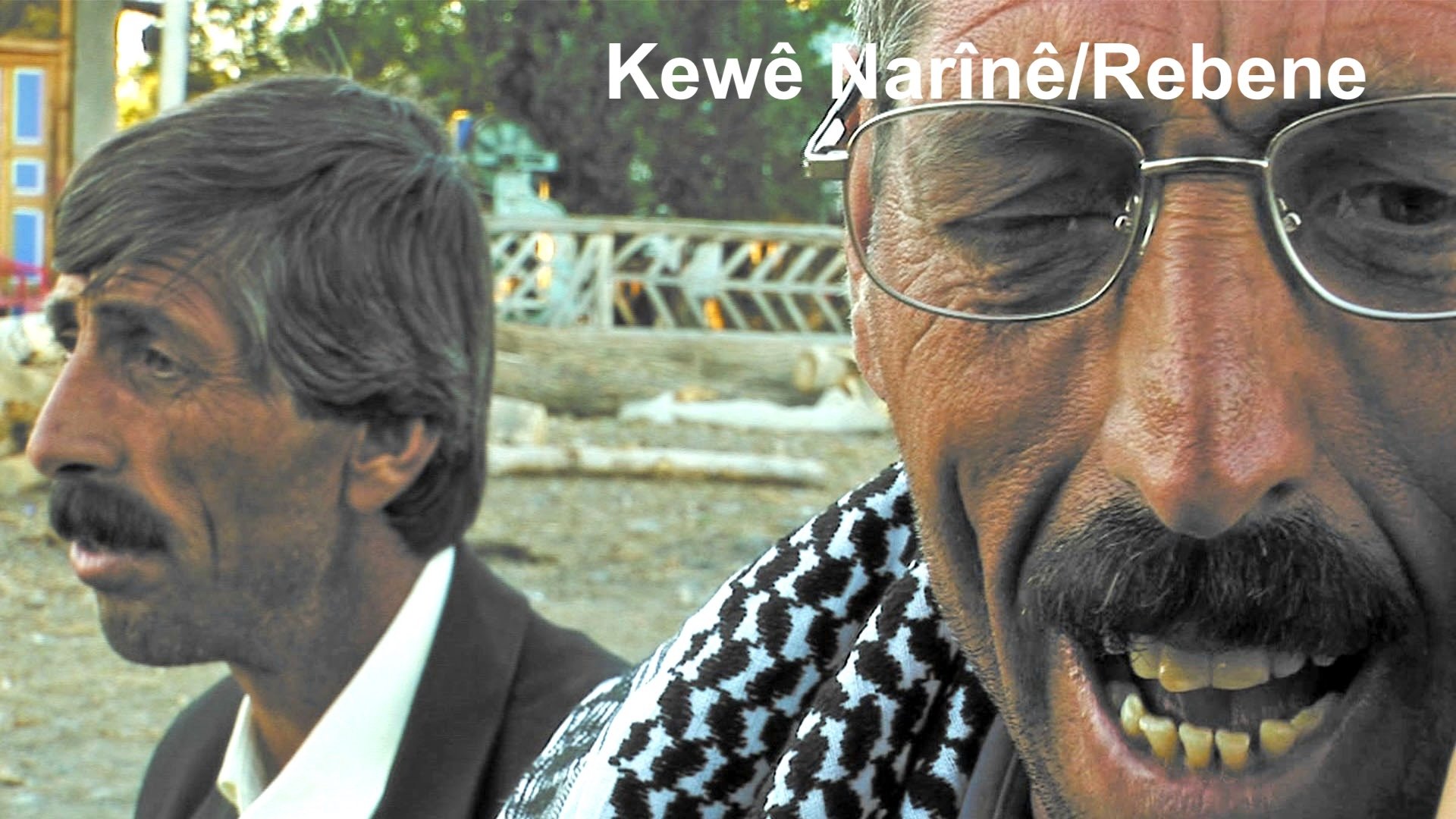
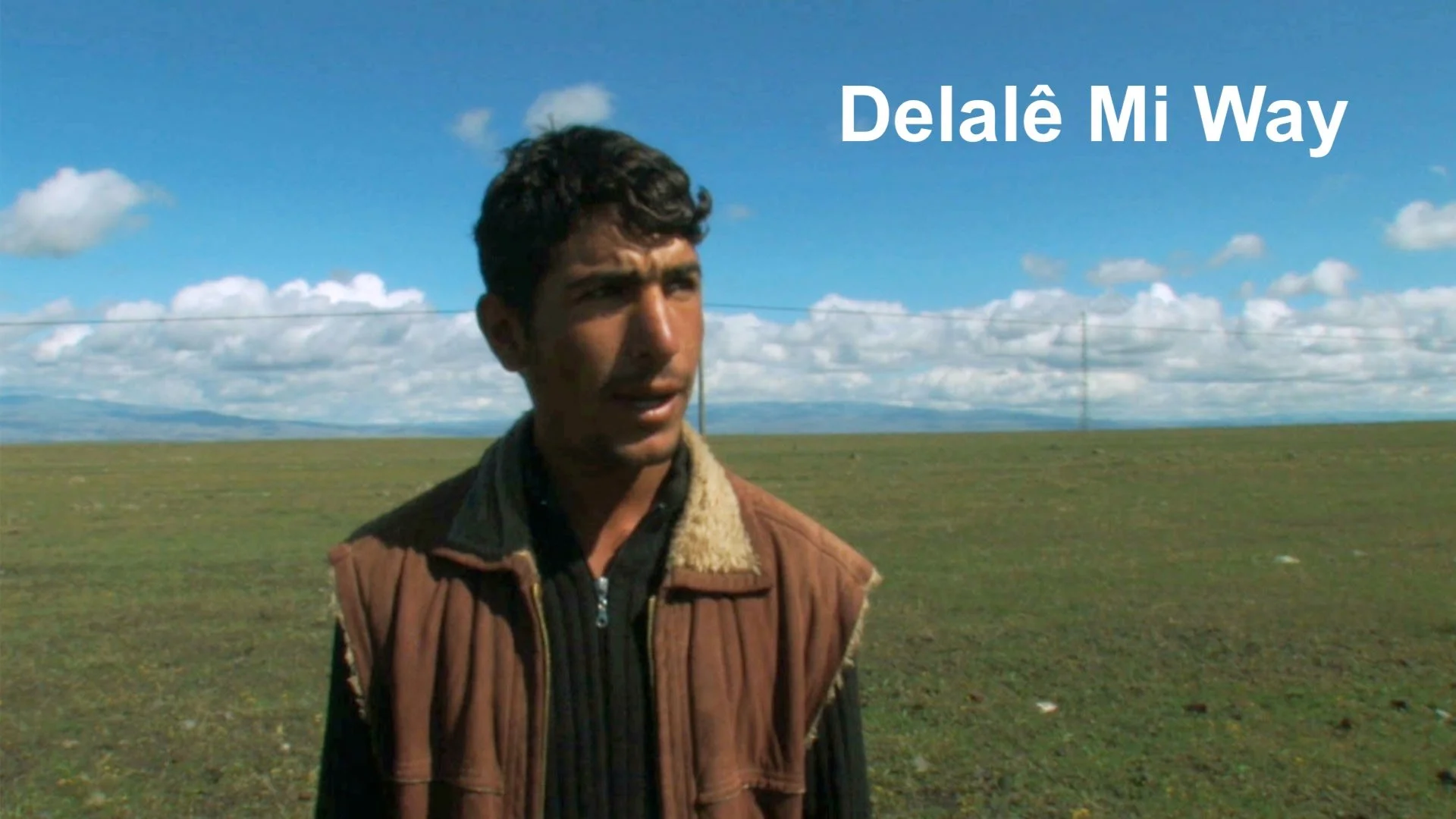
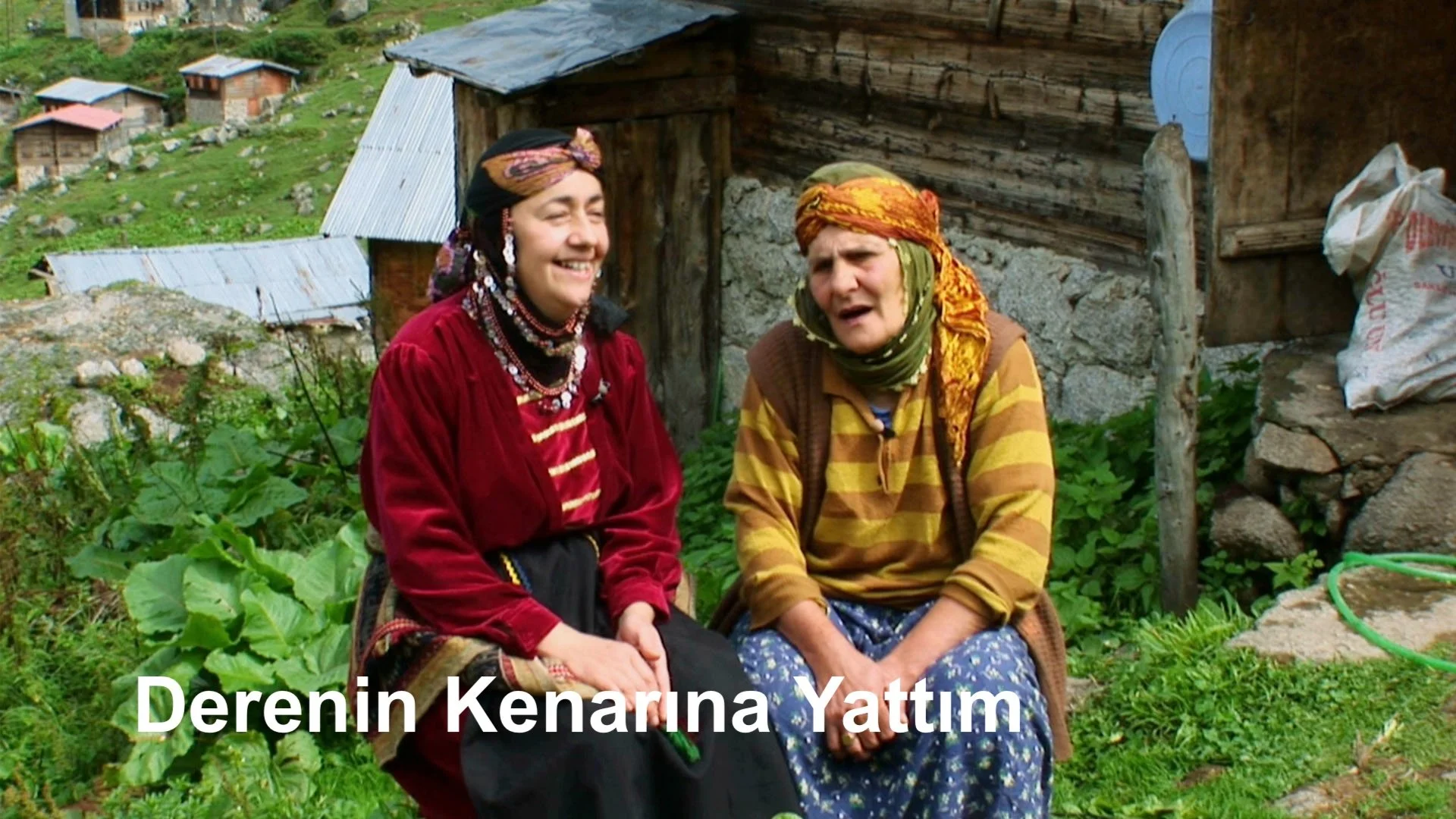
The product of a monumental six-year journey, the making of the film involved traversing the entirety of Anatolia twice. A total of 133 unique performances across 121 different locations were captured live in their natural environments. Following months of meticulous selection, 43 of these performances were chosen to be featured in the film."
Cultures and Performances Featured in the Film:
Düzce: Circassian Dances
Tokat: Alevi Semah Ritual and folk songs
Trabzon: Horon Dance
Rize: Hemshin folk songs and improvisations
Artvin: Polyphonic Georgian Songs
Kars: Minstrel (Aşık) duels and Shepherd’s Stran (Kurdish song)
Bingöl: Eagle Dance
Tunceli: Bektashi folk songs
Muş: Dengbej (Kurdish bard) performances
Diyarbakır: Cotton pickers' work songs
Mardin & Midyat: Syriac rituals, folk songs, and Harran landscapes
Urfa: Gazel
Gaziantep: Barak Havası
Hatay: Silk producers' work songs
Silifke: Folk songs and Kırtıl Semah Ritual
Kırşehir & Kırıkkale: Bozlak
Denizli: Zeybek Dance and Karacaoğlan songs
Burdur: Yörük music with kemane and sipsi, Aşık ile Maşuk Dance
Muğla: Gypsy drum and zurna performances
Bursa: Sword and Shield (Kılıç Kalkan) game
Regional Roots: Armenian and Greek songs, and Whirling Dervishes
Project Scope
Lost Songs of Anatolia is a three-pronged project:
Cinema: A unique, pioneering musical documentary project—the first and only of its kind—that brings ancient Anatolian culture to the silver screen through a modern synthesis.
Album: A transformation of authentic performances recorded across Anatolia—a region hosting the widest cultural diversity of organic music—into a universal musical language through modern arrangements.
Concert: An innovative stage production where a live orchestra on stage synchronizes with the giant-screen performances of those original artists captured in Anatolia, further enriched by the participation of renowned guest artists.
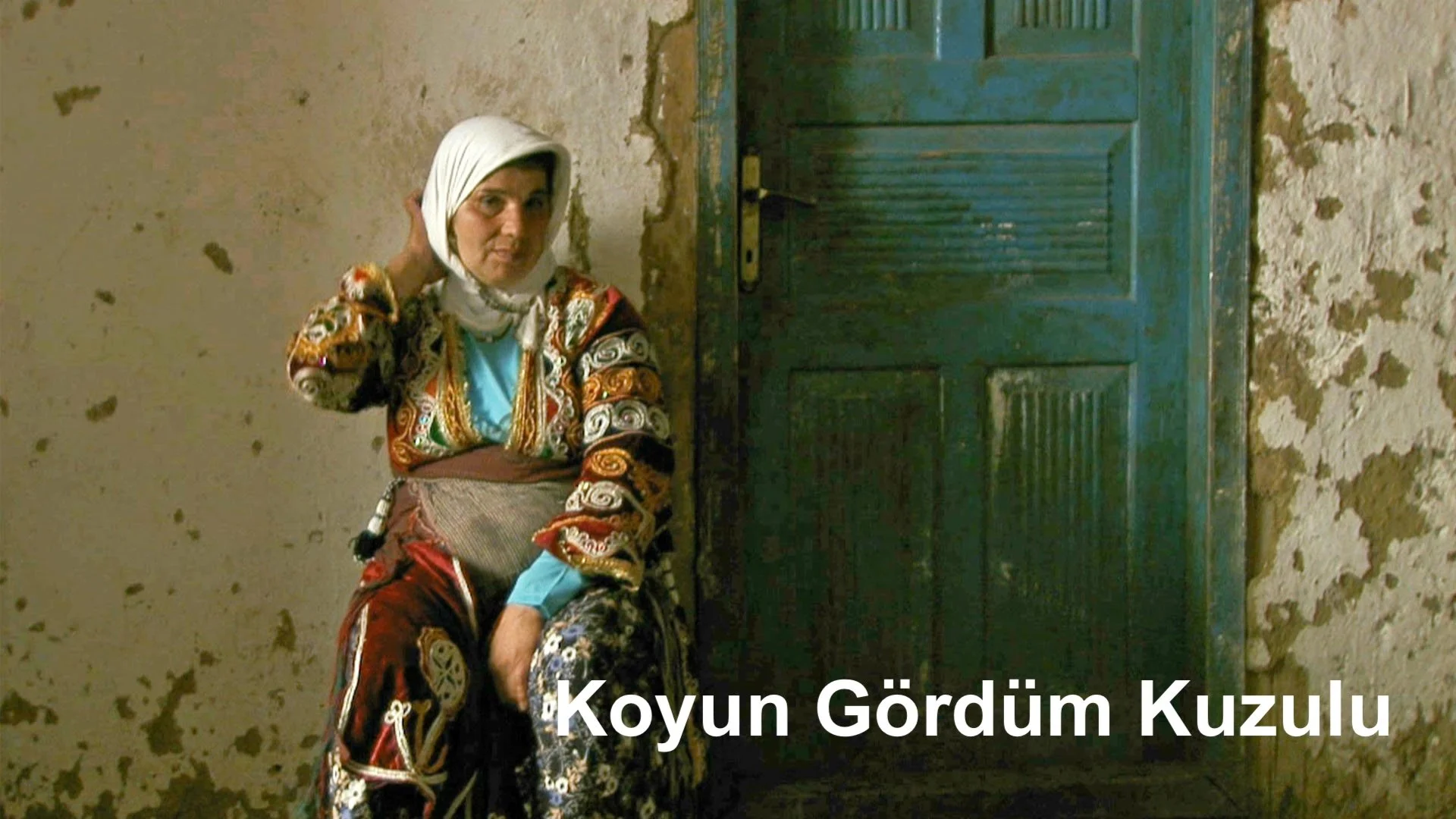
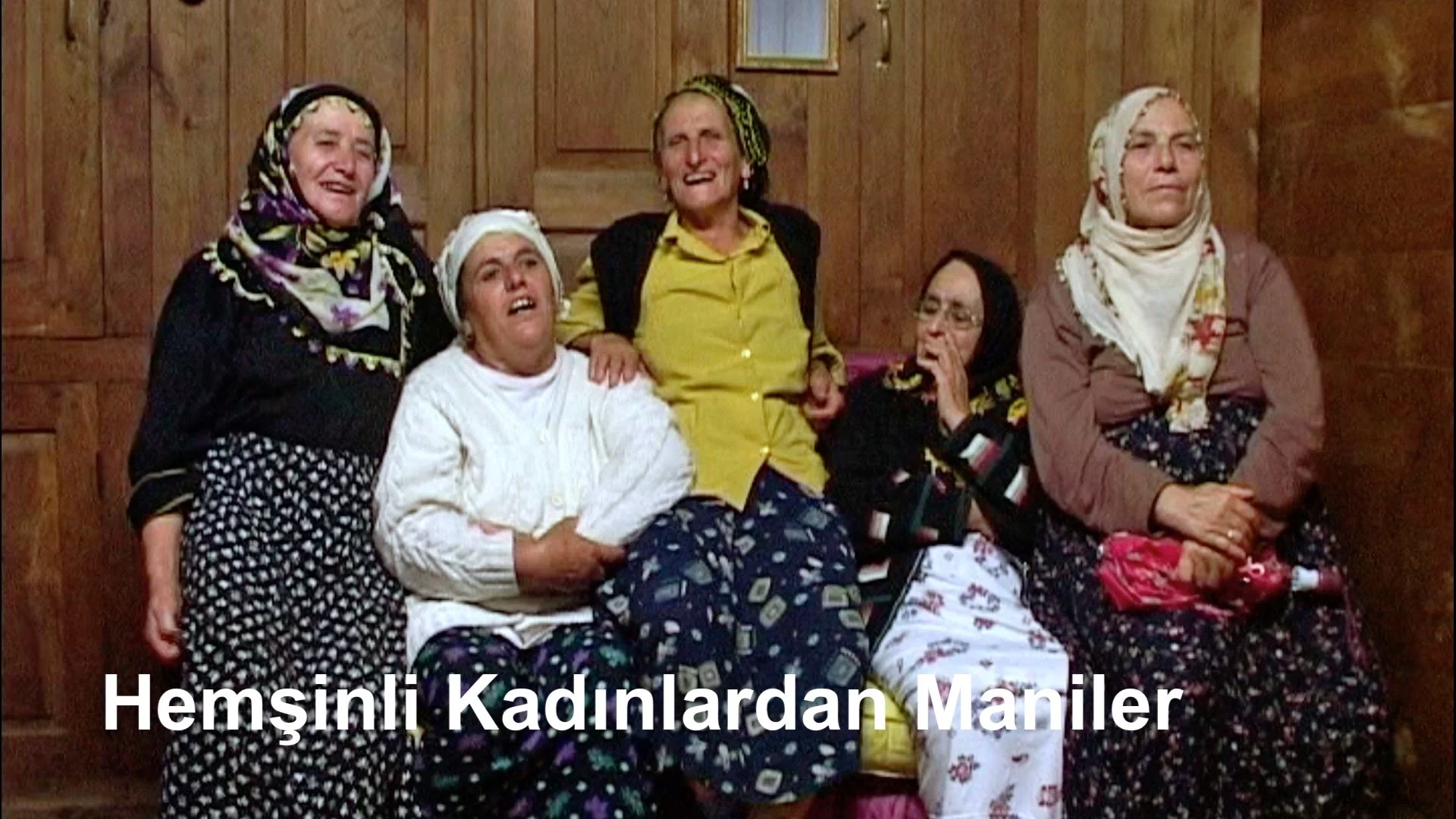
You can visit our YouTube channel to watch bonus videos from the Lost Songs of Anatolia project.
Technical Specifications
Original Title: Anadolu’nun Kayıp Şarkıları
English Title: Lost Songs of Anatolia
Origin: Turkey
Year of Release: 2010
Production Company: Nezih Ünen Prodüksiyon Ltd. Şti.
Runtime: 97 minutes
Languages: Turkish and various local languages
Subtitles: Arabic, Chinese, English, French, German, Greek, Italian, Japanese, Russian, Spanish, Turkish
Shooting Format: HDV and DV
Aspect Ratio: 16:9
Sound: Dolby Surround 5.1, Stereo
Director & Producer: Nezih Ünen
Directors of Photography: Aras Demiray, Behiç Gülsaçan
Music Producer: Nezih Ünen
Associate Producers: Hasan Aslanoba, Taha Altaylı
Producers: Emrah Akkurt, Mahir Altundağ, Vedat Atasoy
Unit Managers: Sami Solmaz, Ulaş Beşoklar
Camera Team: Ulaş Beşoklar, Blagoy Toprakidis, Tayman Tekin, Sevdan Şenkulak, Gürcan Öztürk, Cumhur Ayar
Editor: Nezih Ünen
Production Manager: Simin Girişmen
Art Director: Ceyda Caba